
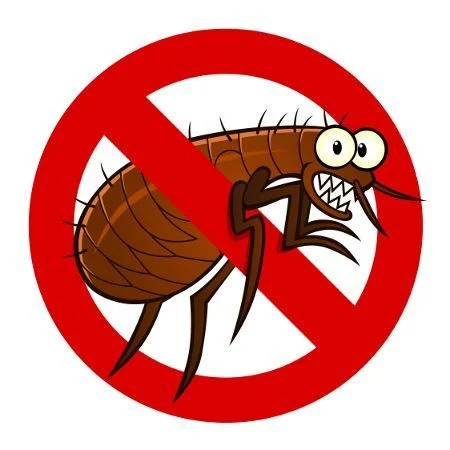
Flea control or flea extermination must be performed as soon as there is a problem. Here is why:
- Transmit Diseases – Fleas can transmit tapeworms and bacterial infections to their hosts which include humans and pets.
- Highly Prolific – the biting adult stage might be living on the pet, in addition to hundreds or thousands of eggs, larvae and pupae elsewhere in the home and/or yard. If early signs of fleas are ignored, infestations can quickly spiral out of control.
- Pupae Can Go Dormant – Pupae can last for up to 5 months before they mature into an adult. This can be caused by vibration, CO2 and higher temperatures. This means that if a home is vacant for a long time, then people start living in it again, and “out of nowhere” the fleas will appear.
- Pupae Are Resistant To Insecticides – Once a home is treated for fleas the “pupal window” (time it takes for the pupal stage to mature into adults) is 8-10 days. As a result, the pest controller should use a long-lasting time released insecticide to affect the fleas.
- High Number of Off-Spring – One adult female will produce 300-500 eggs.
- Short Life Cycle – Adult fleas can reproduce in as little as 3 weeks.
- Adult Fleas Are a Small Part of Population – A typical infestation of fleas will have 1% Adults, 8% Pupae, 57% Larvae and 34% Eggs
Related Posts




Tags
backyard pest
event misting system College Station
portable misting fan rental Brazos Valley
misting fan for outdoor events Texas
outdoor fan rental near me College Station
rent a misting fan College Station TX
backyard event cooling rental
industrial misting fan rental Texas
holiday lighting installation
outdoor Christmas lights College Station
professional Christmas light hanging service
residential holiday light installation
rooftop Christmas lights
outdoor holiday decorating service
pest control college station
outdoor cooling rental Bryan TX